The global logistics and freight forwarding industry is becoming increasingly technology-driven. Freight forwarders, logistics companies, exporters, importers, 3PL providers and transportation businesses are moving away from spreadsheets, phone calls and disconnected systems toward centralized digital platforms.
A modern freight forwarding software solution can connect shipment booking, documentation, transportation, tracking, customer communication, carrier management and operational reporting through a single platform.
For logistics businesses handling multiple shipments, carriers, routes and customers, this shift is no longer simply about having a website or mobile application. It is about creating a complete freight forwarding management system that provides visibility from booking to final delivery.
At DeliveryBee, we build custom and white-label digital platforms designed around the operational requirements of logistics and transportation businesses. Our experience also extends to real-world logistics implementations, including our work with SailOn Logistics, where technology is used to support a more streamlined digital shipping experience.
The Problems Facing Modern Freight Forwarders
Traditional freight forwarding operations often involve multiple communication channels.
A customer may request a quote through email, confirm the shipment by phone, receive documentation separately, ask for tracking information through WhatsApp and contact an operations executive for delivery updates.
As shipment volumes increase, this creates several operational problems.
- Manual Freight Booking
Manual booking processes can create unnecessary delays.
A customer may need to provide origin, destination, cargo type, container information, dimensions, weight and preferred transportation mode before an operations team can prepare the shipment.
A digital freight booking software platform can convert this process into an online workflow.
Customers can enter shipment details, request quotations, select services and submit bookings from a centralized interface. - Limited Shipment Visibility
Customers increasingly expect to know where their shipment is.
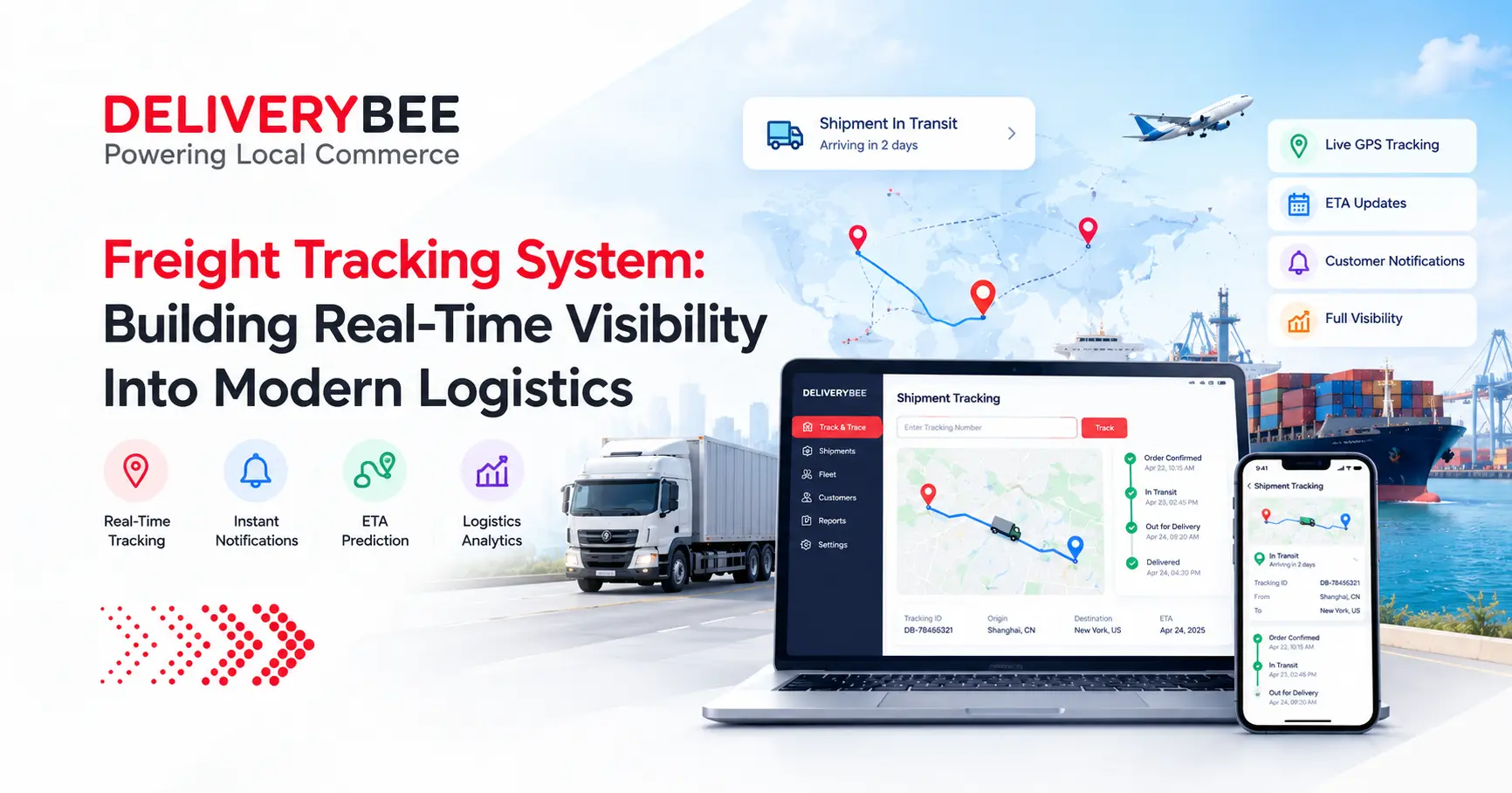
A modern freight tracking system can provide shipment status updates across multiple stages, including booking, pickup, port movement, customs clearance, transportation and final delivery.
Instead of asking an employee, customers can access shipment information through a web portal or mobile application. - Fragmented Data
Freight forwarding companies frequently work with multiple carriers, warehouses, transporters, customs agents and internal teams.
Without centralized software, information becomes fragmented.
A freight management system can bring these activities into one operational dashboard. - Documentation Complexity
International freight involves significant documentation and coordination.
A digital platform can organize shipment documents, invoices, quotations, booking information, delivery records and other operational files against individual shipments.
This makes information easier to locate and reduces dependency on individual employees.
What Should Freight Forwarding Software Include?
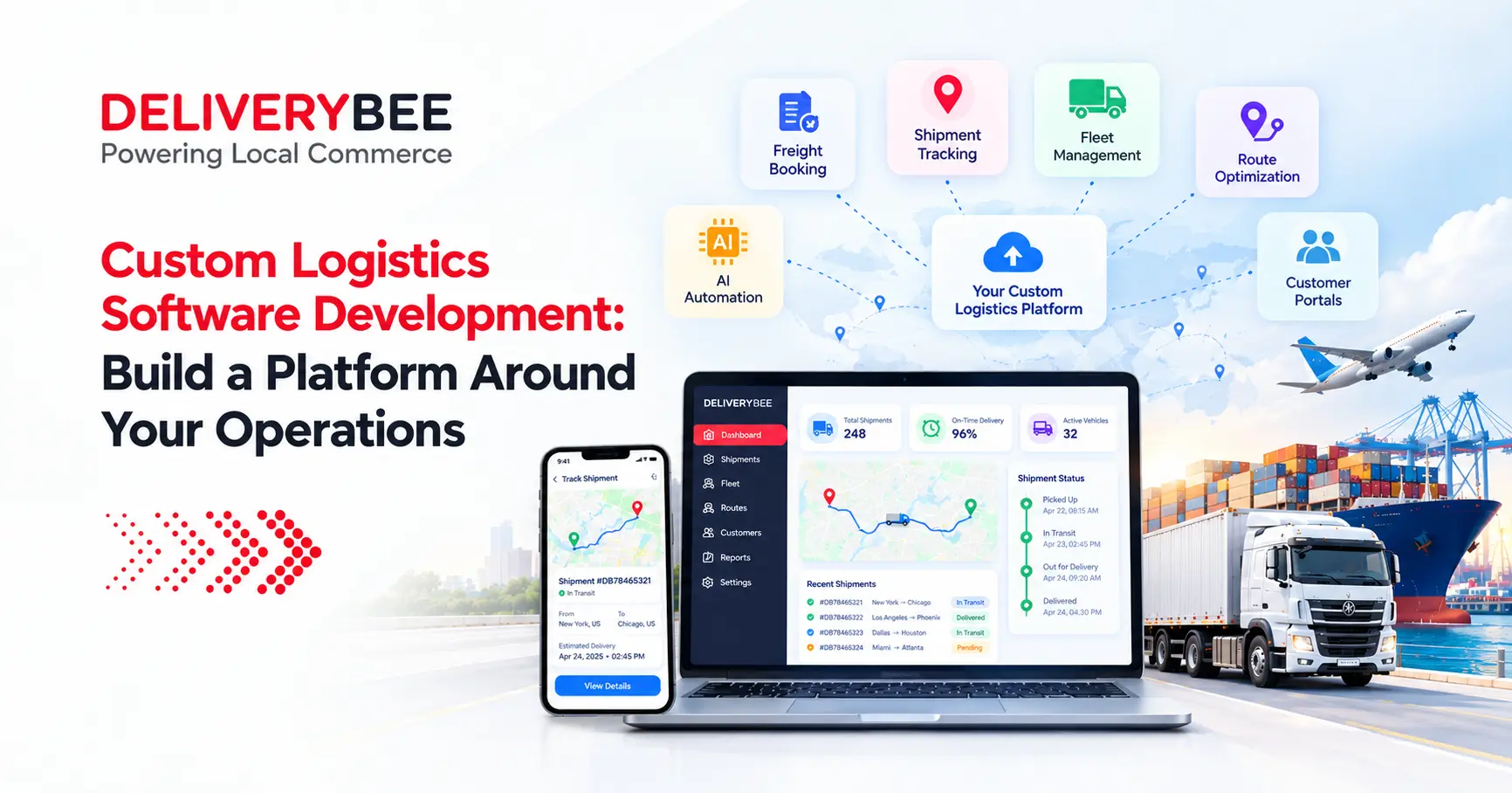
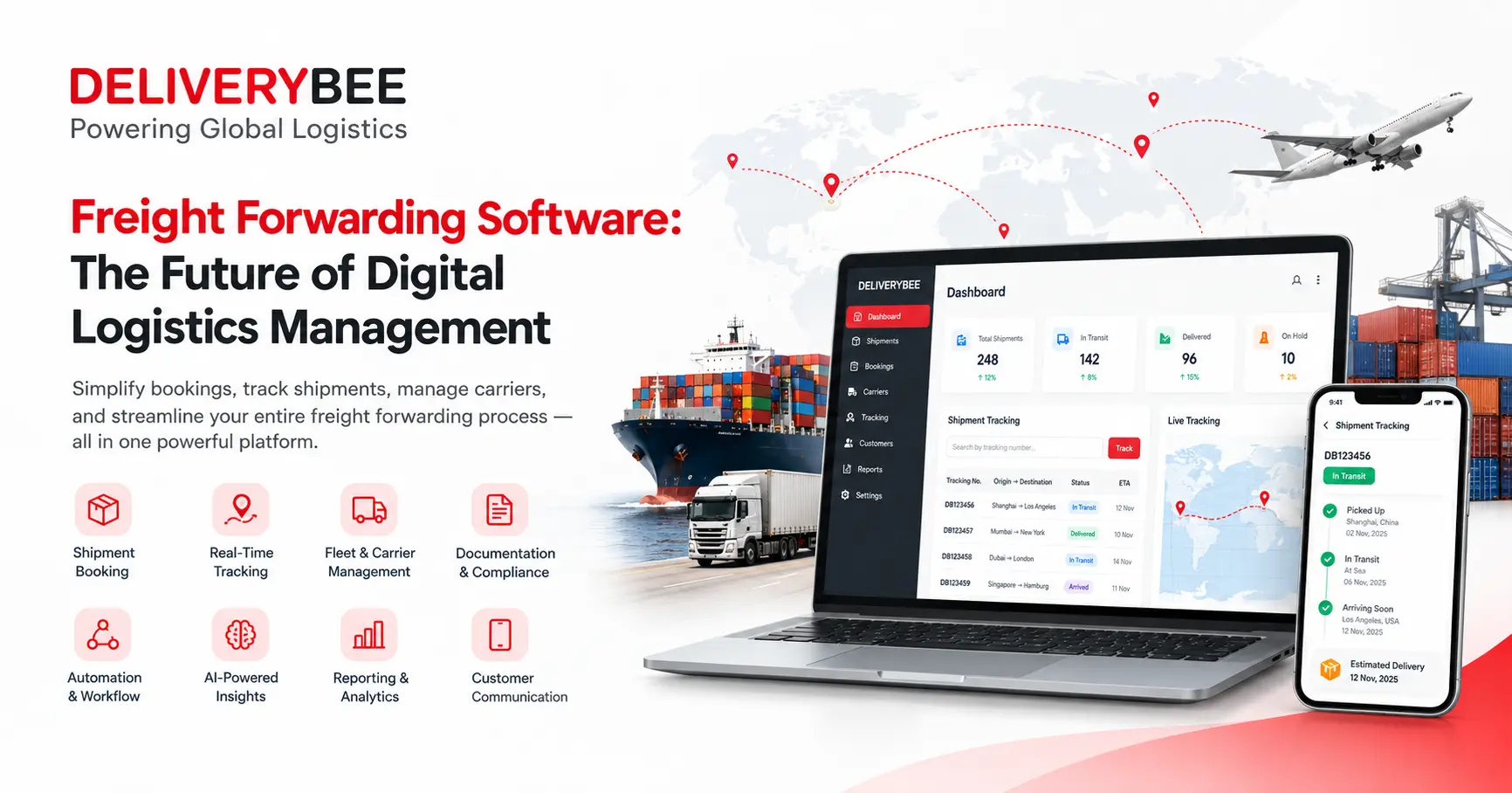
A modern freight forwarding platform can be built around several interconnected modules.
Online Freight Quote Management
Customers can enter:
- Origin and destination
- Cargo type
- Weight and dimensions
- Container quantity
- Transportation mode
- Pickup requirements
- Delivery requirements
The system can then generate or request a freight quotation.
Shipment Booking
Once a customer accepts a quotation, the shipment can move directly into the booking workflow.
This creates a continuous digital journey from:
Quote → Booking → Shipment → Tracking → Delivery
Real-Time Shipment Tracking
A freight tracking platform can integrate GPS, carrier APIs, transport management systems or other tracking sources to provide shipment visibility.
Customers can receive status notifications through web dashboards, mobile applications, email or push notifications.
Customer Portal
A dedicated customer dashboard can provide access to:
- Active shipments
- Completed shipments
- Quotes
- Booking history
- Documents
- Tracking
- Invoices
- Delivery status
This can significantly reduce repetitive customer-service requests.
Admin Dashboard
The logistics company can manage:
- Customers
- Shipments
- Quotes
- Vehicles
- Drivers
- Carriers
- Routes
- Documents
- Payments
- Delivery status
- Reports
The result is a centralized logistics management software environment.
Adding AI to Freight Forwarding Software
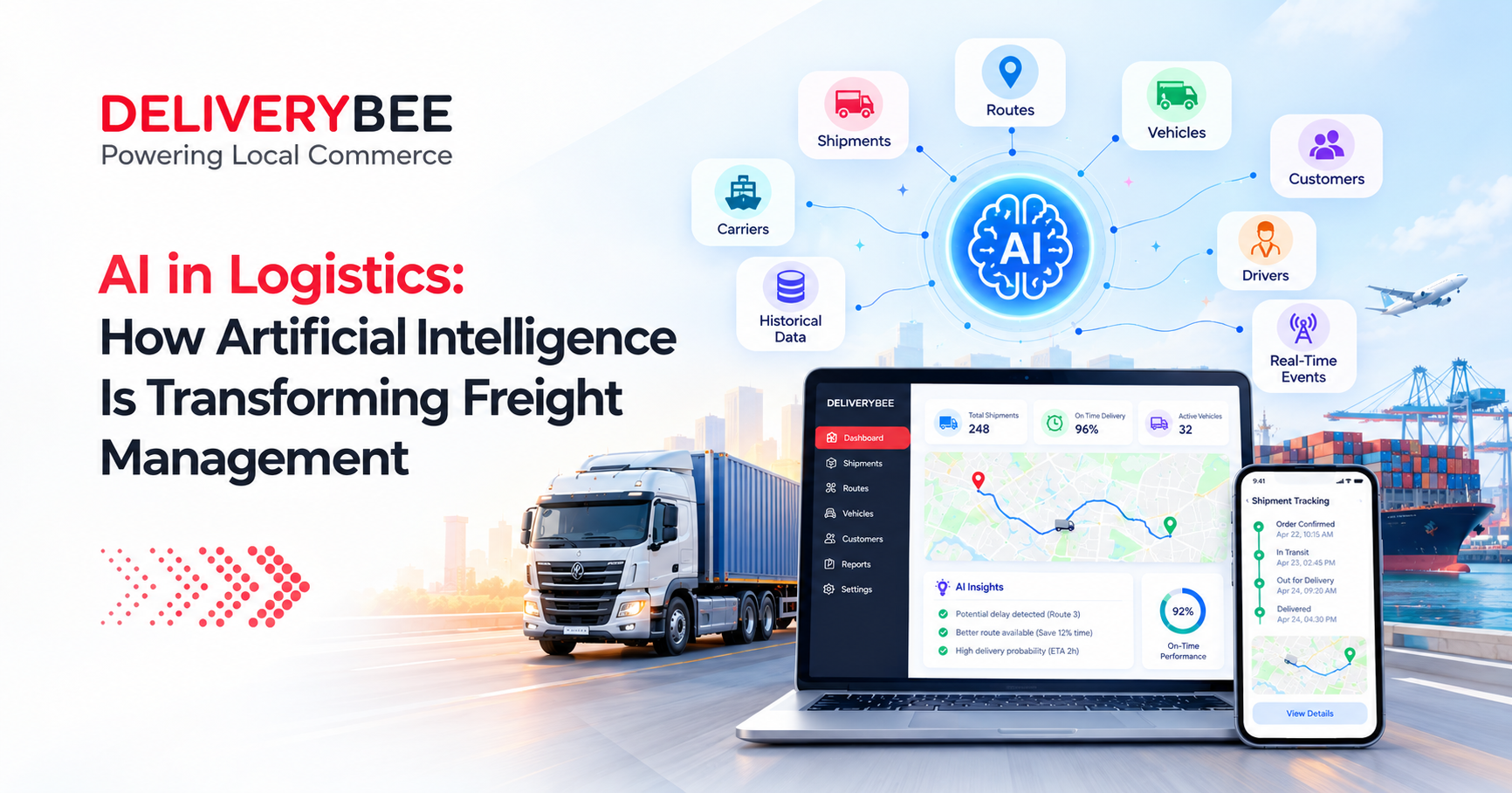
The next generation of freight forwarding platforms can go beyond dashboards.
AI can become part of the operational workflow.
For example, an AI freight assistant could analyze shipment information and recommend:
- Suitable transportation modes
- Potential route alternatives
- Estimated delivery windows
- Carrier options
- Shipment consolidation opportunities
- Potential documentation issues
- Delayed shipment risks
AI-Powered Exception Management
Instead of requiring an operations manager to manually check every shipment, an AI system can identify exceptions.
For example:
Shipment delayed → AI identifies delay → estimates impact → alerts operations team → recommends alternative action.
This changes logistics software from a passive reporting system into a more proactive operational platform.
AI Document Processing
Another useful application is intelligent document processing.
The platform could extract information from uploaded commercial invoices, packing lists, bills of lading and other logistics documents.
The extracted information could automatically populate shipment records.
This can reduce repetitive data entry and improve operational consistency.
DeliveryBee + SailOn Logistics: A Practical Logistics Technology Approach
A logistics software platform should be designed around the actual workflow of the freight forwarding company.
This is why real-world implementation experience matters.
DeliveryBee has provided a technology solution for SailOn Logistics, a logistics and freight forwarding company handling services such as ocean freight, land freight, customs clearance, project cargo, warehousing and container shipping.
SailOn’s digital experience demonstrates an important direction for freight businesses: customers can interact with logistics services digitally rather than relying entirely on offline communication.
The objective of a platform should not simply be to “build an app.”
The objective should be to digitize the logistics operation.
Web + Mobile Freight Forwarding Platform
A complete platform can include several interfaces.
Customer Web Portal
Customers can:
- Request quotations
- Book shipments
- Upload documents
- Track shipments
- View invoices
- Receive notifications
Customer Mobile App
The mobile application can provide:
- Shipment tracking
- Booking
- Notifications
- Document access
- Delivery updates
Driver Application
Drivers can receive:
- Assigned trips
- Pickup details
- Navigation
- Delivery instructions
- Proof-of-delivery workflows
- Digital signatures
- Photo uploads
Operations Dashboard
The internal team can manage the entire logistics operation from one dashboard.
Why Custom Freight Forwarding Software?
Every logistics company has a different operational model.
A freight forwarder handling FCL shipments has different requirements from a courier company handling thousands of last-mile deliveries.
Custom software allows businesses to define:
- Pricing rules
- Shipment workflows
- Customer types
- Carrier integrations
- Approval processes
- User roles
- Notification rules
- Reporting requirements
- API integrations
This creates a platform around the business instead of forcing the business to adapt to generic software.
The Future of Freight Forwarding Is Digital
Freight forwarding is moving toward connected, automated and data-driven operations.
The next generation of logistics companies will increasingly compete on visibility, speed, customer experience and operational intelligence.
A well-designed freight forwarding software platform can provide the foundation for that transformation.
From online freight booking and shipment tracking to AI-powered route planning and automated document processing, technology can connect every stage of the logistics journey.
For logistics companies planning their next stage of growth, the question is no longer simply whether they need software.
The more important question is:
What should the software automate, connect and predict?