Logistics is no longer simply about moving goods from one location to another.
Modern logistics companies need to coordinate customers, drivers, vehicles, warehouses, freight forwarders, carriers, routes, shipments, payments and delivery documentation.
This is where logistics management software becomes important.
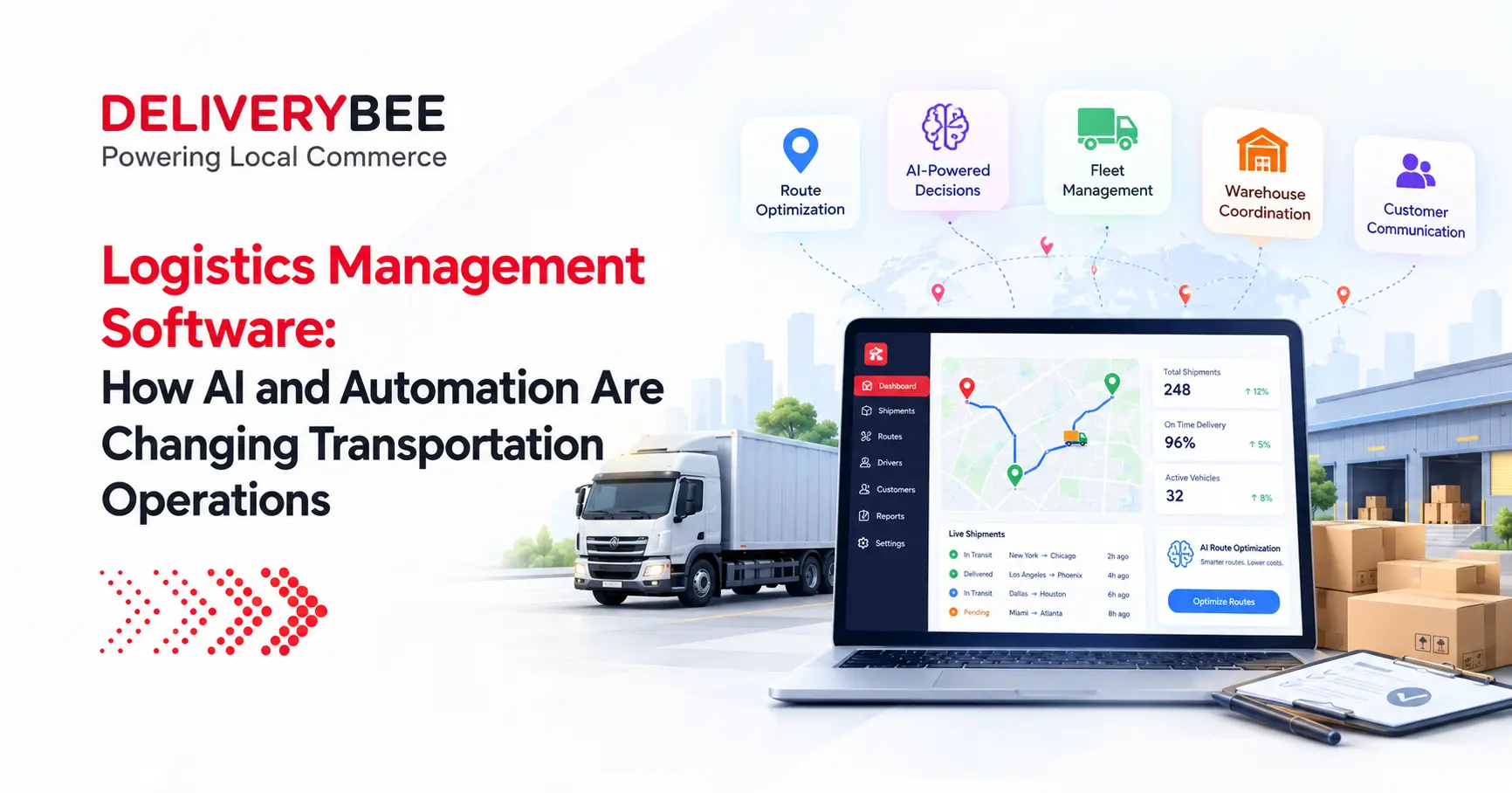
A modern logistics management system provides a centralized digital environment where companies can manage transportation operations, monitor shipments, optimize routes and communicate with customers.
With artificial intelligence becoming increasingly practical, logistics software can now move beyond basic tracking and reporting toward predictive and automated decision-making.
What Is Logistics Management Software?
Logistics management software is a digital platform designed to manage the movement of goods and transportation operations.
Depending on the business model, the system can include:
- Shipment management
- Freight booking
- Fleet management
- Driver management
- Route optimization
- Warehouse coordination
- Customer management
- Order management
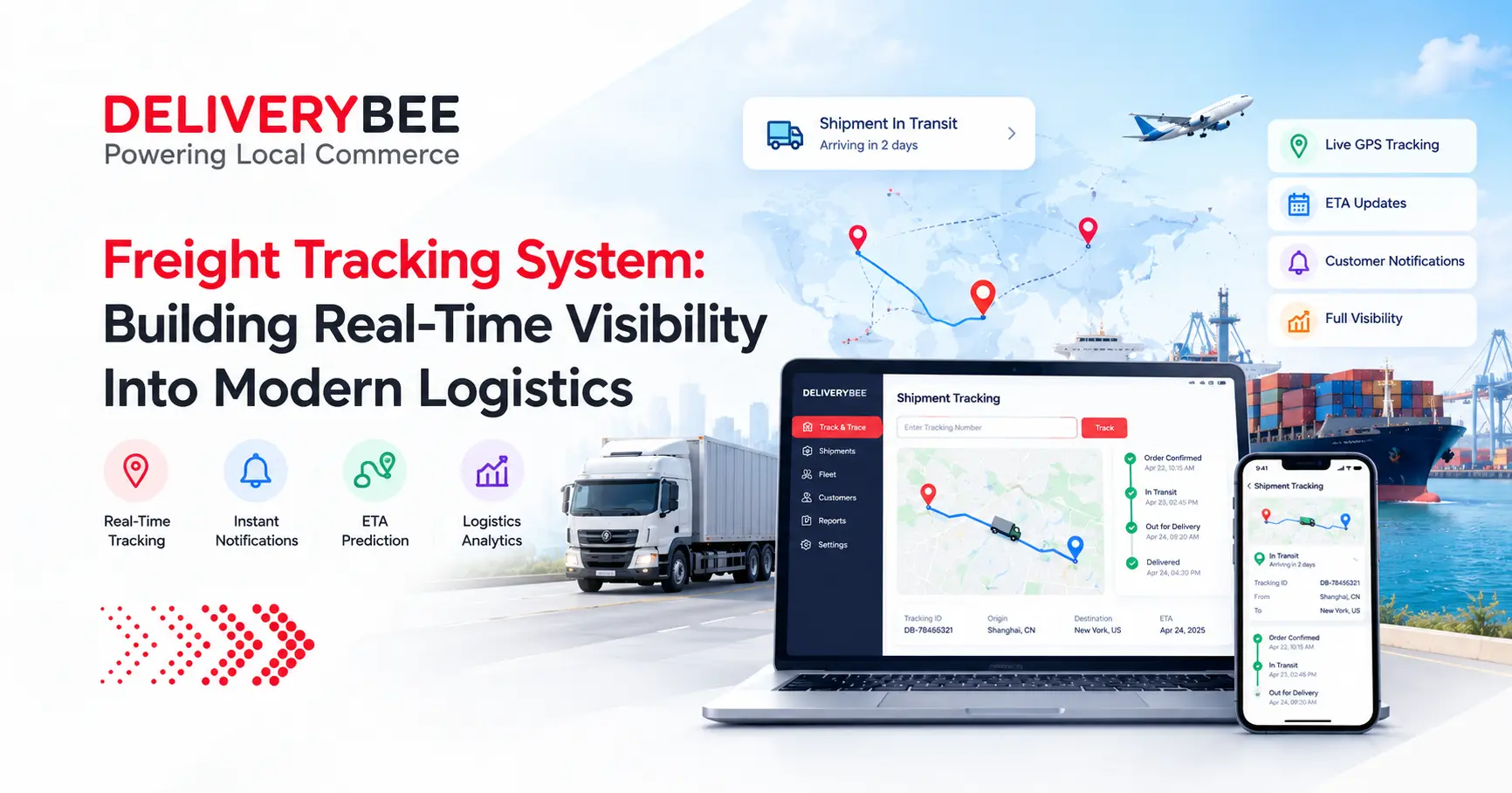
- Tracking
- Proof of delivery
- Billing
- Analytics
- Notifications
For a freight forwarding company, the platform may focus heavily on international shipments and documentation.
For a courier company, the emphasis may be on dispatching and last-mile delivery.
For a 3PL company, the platform may combine transportation, customer and carrier management.
Why Traditional Logistics Operations Become Difficult to Scale
A small logistics operation can sometimes function using spreadsheets, phone calls and messaging applications.
The problem appears when shipment volume increases.
Imagine a company managing 50 shipments.
Now imagine managing 5,000.
The operational complexity increases across:
- Customer communication
- Vehicle allocation
- Driver scheduling
- Route planning
- Shipment tracking
- Documentation
- Delivery confirmation
- Billing
- Exception management
Without centralized technology, operational teams spend more time coordinating information and less time optimizing operations.
The Role of a Transportation Management System
A Transportation Management System, or TMS, is an important component of modern logistics technology.
A TMS can help companies plan and execute transportation activities.
A logistics platform can include:
- Shipment Planning
Create shipment records and assign transportation requirements. - Carrier Management
Manage carriers, transport partners, rates and service levels. - Vehicle Allocation
Assign available vehicles according to capacity, route and shipment requirements. - Driver Management
Manage driver profiles, availability, assigned trips and performance. - Route Optimization
Calculate efficient routes based on distance, delivery locations, capacity and operational constraints. - Tracking
Monitor shipments and vehicles during transportation. - Digital Proof of Delivery
Capture signatures, photographs, OTPs or other delivery confirmation.
AI-Powered Logistics Management
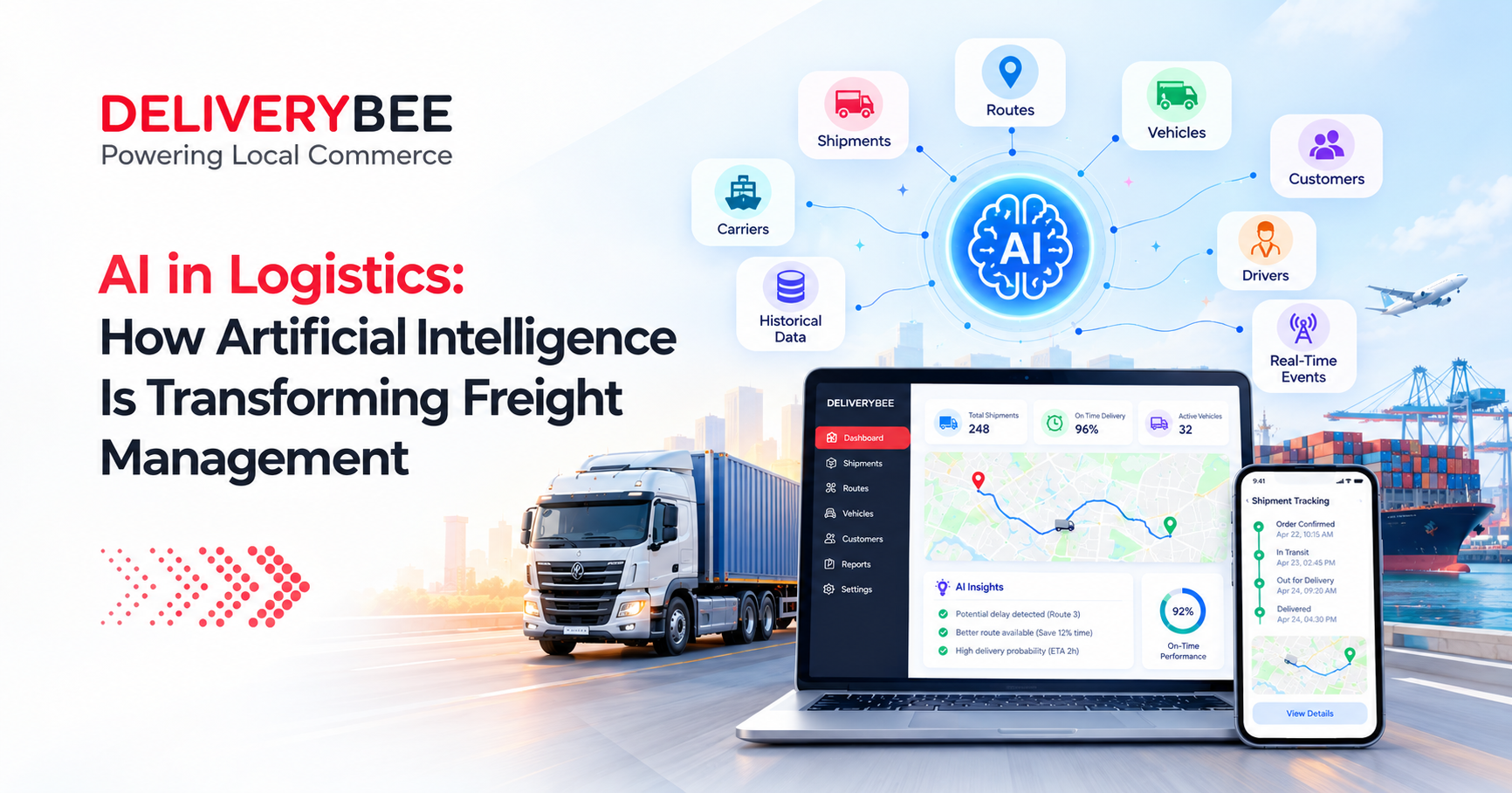
AI creates another layer of intelligence.
Instead of simply showing what happened, AI can help answer:
What is likely to happen next?
For example:
A shipment is currently moving from Ahmedabad to Mumbai.
The platform could analyze:
- Historical travel time
- Current traffic
- Vehicle information
- Route
- Weather data
- Driver behavior
- Previous delivery performance
It could then estimate an expected arrival time.
AI Route Optimization
Traditional route planning may use fixed routes.
AI-powered route optimization can consider multiple variables simultaneously.
For example:
- Vehicle capacity
- Delivery time windows
- Traffic
- Driver availability
- Priority shipments
- Distance
- Delivery sequence
- Pickup requirements
The system can then generate an optimized route.
More importantly, the route can be recalculated when circumstances change.
If a road becomes unavailable, the system can recommend another route.
Predictive Logistics
AI can also help identify potential delivery problems before they happen.
For example:
- Historical data: Certain routes frequently experience delays.
- AI analysis: A new shipment is scheduled on that route.
- Prediction: Higher probability of delay.
- Action: Operations team receives an alert.
- Response: The shipment can be reassigned, rescheduled or proactively communicated to the customer.
This is the difference between reactive logistics management and predictive logistics management.
AI Logistics Assistant
An advanced logistics management platform can include an AI assistant.
Operations managers could ask:
“Show shipments delayed today.”
“Which vehicles are underutilized?”
“Which customers have the highest number of delayed shipments?”
“Which routes generated the highest transportation cost this month?”
“Which shipments are at risk of missing their ETA?”
Instead of searching through multiple reports, the user receives answers through a conversational interface.
DeliveryBee’s Logistics Technology Approach
DeliveryBee focuses on custom and white-label application development for businesses that want to launch their own branded digital platforms.
Its technology stack supports web and mobile application development using technologies including Laravel, Node.js, Python, Flutter, React Native, AWS, Docker, MySQL, PostgreSQL and MongoDB.
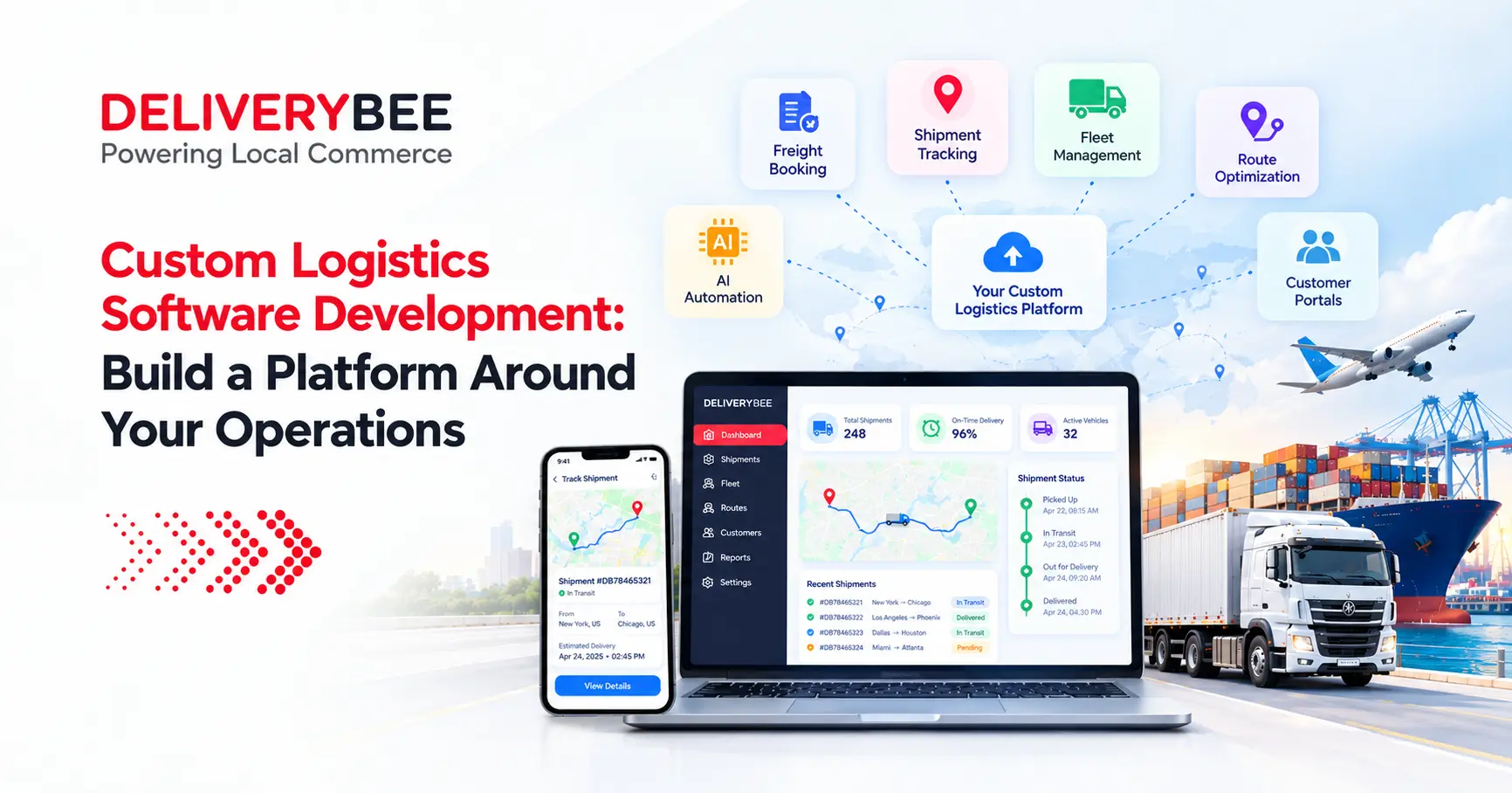
For logistics businesses, this technology foundation can be used to develop:
- Logistics management systems
- Freight forwarding platforms
- Courier applications
- Shipment tracking applications
- Fleet management systems
- Driver applications
- Transportation dashboards
- Customer portals
SailOn Logistics: Applying Digital Technology to Freight
DeliveryBee has also provided a solution for SailOn Logistics, demonstrating how logistics businesses can bring their shipping workflows into a more digital customer experience.
SailOn operates across freight and logistics services including ocean freight, land freight, customs clearance, project cargo, warehousing and container transportation.
Its digital journey includes online quotation, shipment planning and shipment tracking workflows.
This type of implementation demonstrates how logistics software can connect customer-facing functionality with internal transportation operations.
A Complete Logistics App Ecosystem
A scalable logistics platform should not be limited to one application.
It can contain several connected systems.
- Customer App
Customers can book shipments and monitor delivery status. - Driver App
Drivers receive trip assignments, navigation and delivery instructions. - Dispatcher Dashboard
Dispatchers manage vehicles, drivers and active shipments. - Admin Dashboard
Administrators manage customers, pricing, users and reports. - Operations Dashboard
Operations teams monitor shipment progress and exceptions. - AI Intelligence Layer
AI analyzes operational data and generates recommendations.
What Makes Logistics Software Scalable?
Scalability should be considered from the beginning.
A logistics platform may start with one city and eventually expand to multiple countries.
The architecture should therefore support:
- Multiple locations
- Multiple currencies
- Multiple languages
- Multiple carriers
- Multiple transportation modes
- API integrations
- Role-based access
- High shipment volumes
- Cloud infrastructure
- Analytics
- Automated notifications
Building a Logistics Platform for the Future
The logistics industry is becoming increasingly connected.
Customers expect tracking.
Operations teams expect automation.
Management expects analytics.
Drivers expect mobile workflows.
And businesses increasingly want AI to help identify operational opportunities and risks.
A modern logistics management software solution brings these requirements together.
The right platform does more than track shipments.
It creates a digital operating layer for the logistics business.
For companies planning to modernize their transportation operations, custom logistics software can provide the flexibility needed to create workflows around their exact business model.
DeliveryBee can help turn that operational model into a scalable web and mobile logistics platform.